OpenL Tablets 6.0.0 Release Notes
Contents
OpenL Tablets 6.0.0 is a major release introducing a modernized security model, redesigned administration experience, enhanced documentation capabilities, and significant platform upgrades.
This release also includes breaking changes that require careful review before upgrading.
New Features
Simplified User Access & Permissions Management in OpenL Studio
OpenL Studio introduces a completely redesigned access control system with a simplified, role-based permission model. The new approach significantly reduces configuration complexity while maintaining enterprise-grade security.
The new system supports granular, resource-level access control through role assignments, with a reduced and streamlined set of permissions for improved clarity and maintainability.
Role-Based Access Control
Access is now managed through three predefined roles:
- Manager: Full control with ability to assign roles
- Contributor: Content modification without system administration
- Viewer: Read-only access with test execution capabilities
The legacy permission model has been consolidated into five core permissions—Manage, View, Create, Edit, and Delete—which are embedded directly into roles.
All existing permissions are automatically migrated to the new role structure during upgrade.
The following legacy permissions have been deprecated and their functionality is now included by default in the predefined roles and features:
- View Projects
- Run and Trace Tables
- Edit Projects
- Create/Delete Projects
- Erase Projects
- Lock/Unlock Projects
- Deploy Configuration permissions
Improved Groups & Users Management
The Groups and Users UI has been redesigned to improve usability and visibility:
- Role-based access control at repository and project levels
- Redesigned Edit Group and Edit User pages with separate Details and Access Rights sections
- Streamlined group invitation workflow
- Repository root access management for bulk permission assignment
Project Creation & Deletion Control
Previously, users with the Create Projects permission could always create projects through the UI. Starting with 6.0.0, project creation is controlled by a new system-level property configured by administrators:
security.allow-project-create-delete=true   # default
security.allow-project-create-delete=false  # hides Create/Delete actions
Although the Contributor and Manager roles still include Create and Delete permissions, this property can globally enable or disable the project creation functionality in OpenL Studio.
Batch ACL Operations (Administrators Only)
A new batch API enables automated access control configuration at scale:
- ACL batch import via JSON
- Conflict handling strategies (overwrite, merge, skip)
- Schema validation and detailed logging
- Bash script support for automation
- Role-based authorization
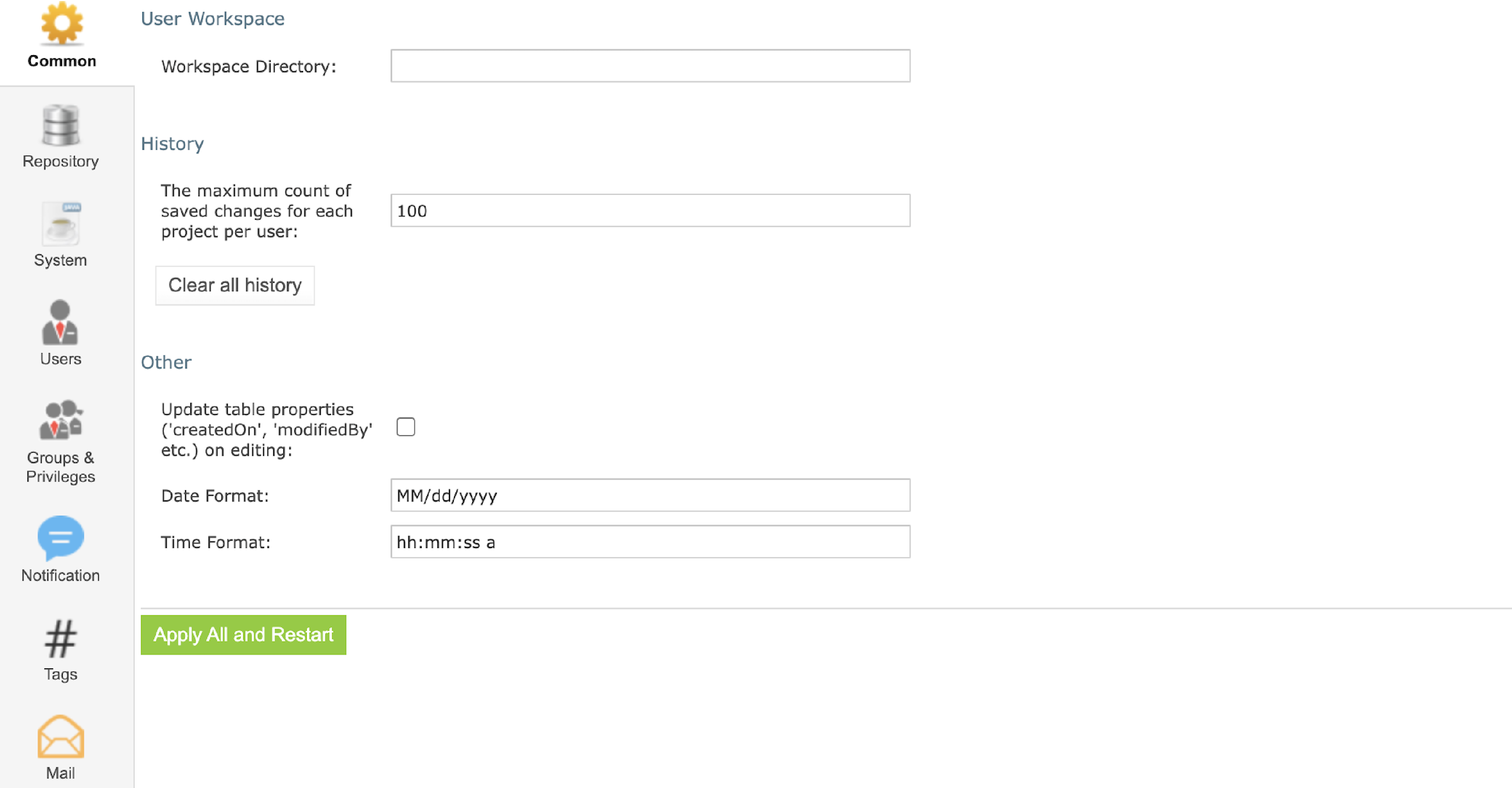
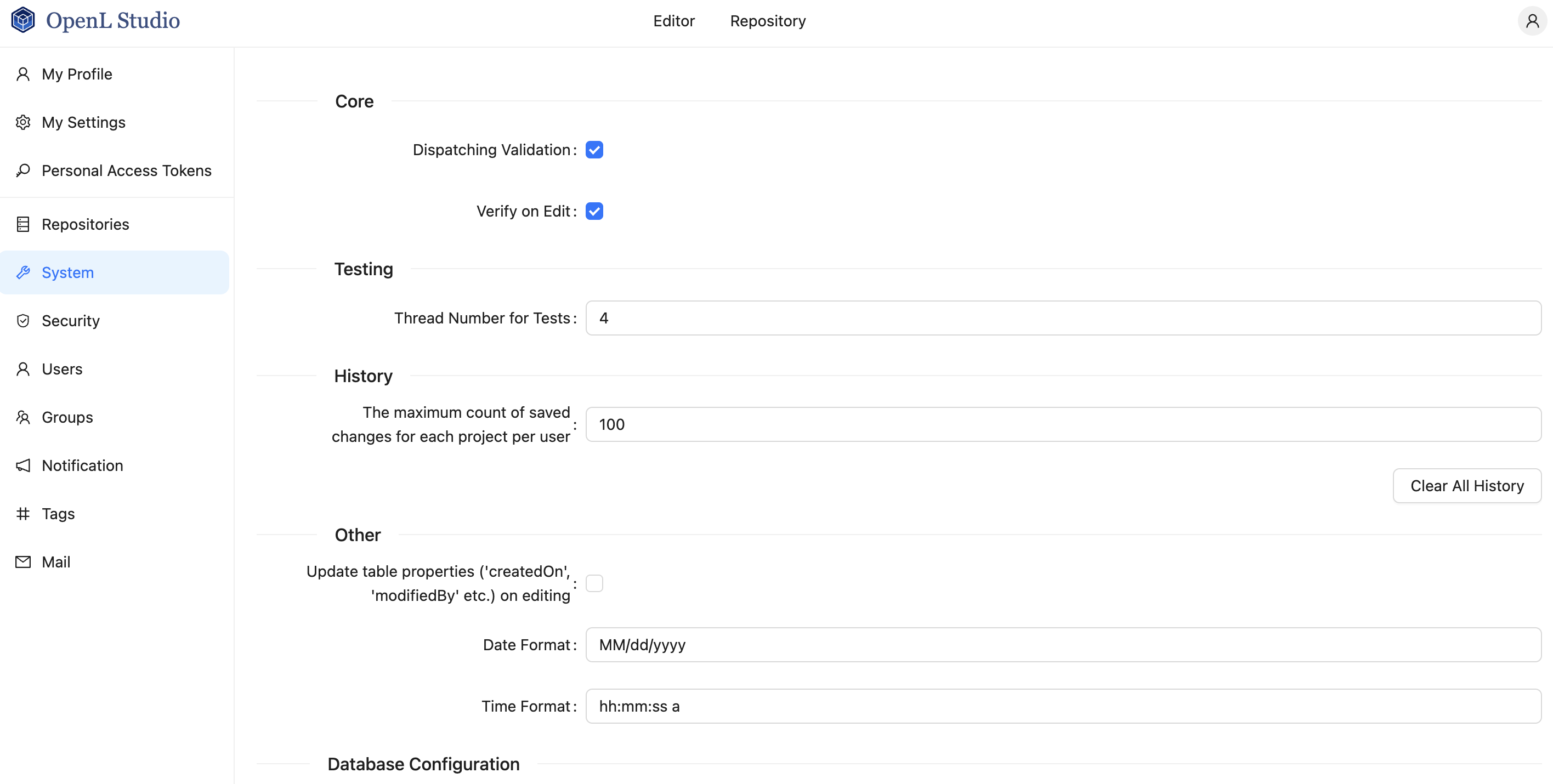
Administration Panel Redesign in OpenL Studio
The Administration Panel has been fully redesigned and migrated from JSF/RichFaces to a modern React-based UI, improving performance, usability, and browser compatibility.
Previous version
New version
Repository Management
- Redesigned interface for Design and Production repositories
- Support for multiple repository types (Git, JDBC, cloud storage)
- Repository configuration validation and connection testing
System & Security Configuration
- Redesigned System, Email, and Security settings pages
- Support for multiple authentication modes (single-user, multi-user, AD, SAML, OAuth2)
- Read-only indication for settings defined via system properties or environment variables
API & UI Enhancements
- New settings validation endpoints
- Legacy administration APIs deprecated and replaced
- Redesigned login and error pages (403, 404, 500)
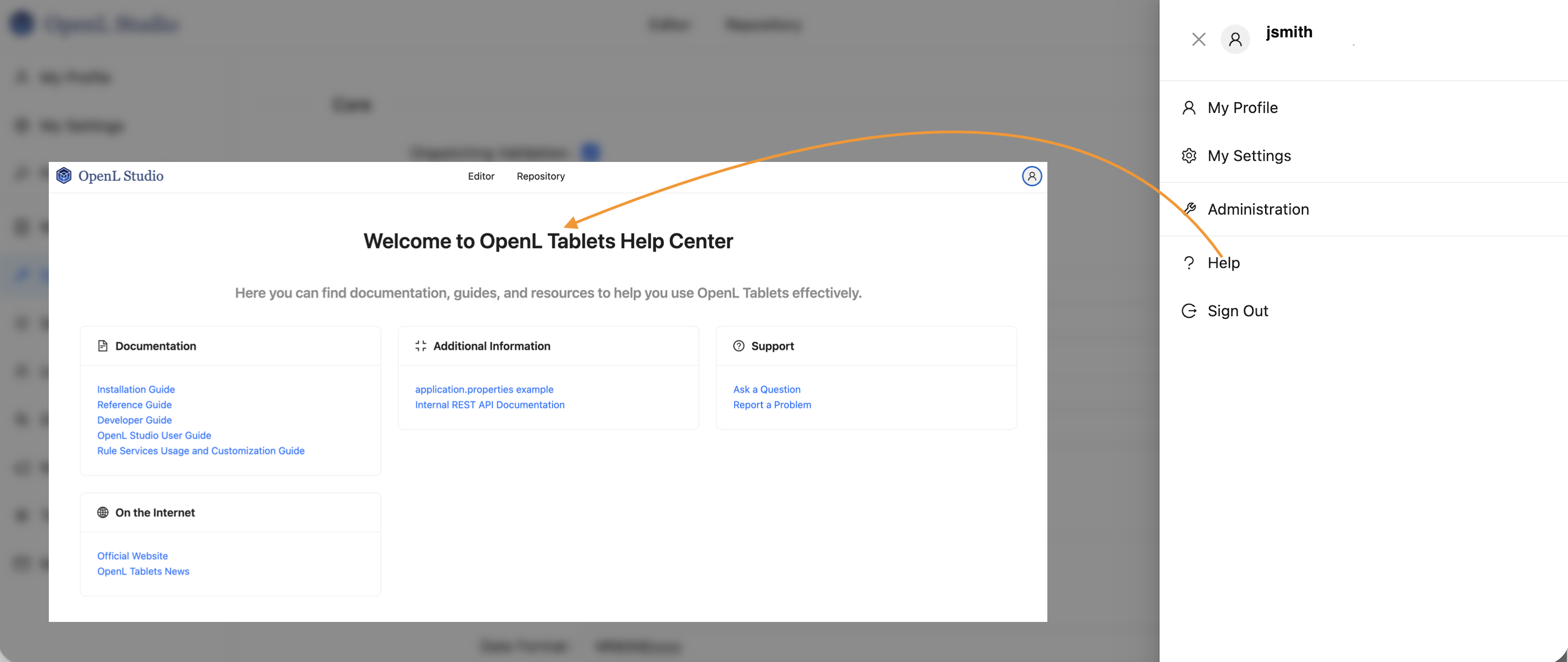
- Integrated Help page with links to documentation
- Support for external UI plugins and embedded editors
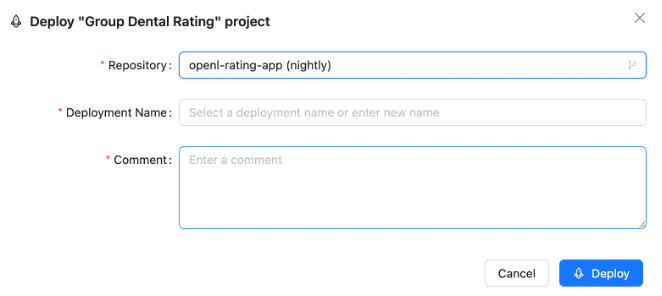
Simplified Deploy Workflow in OpenL Studio
Project deployment in OpenL Studio is now available as a single-click action, reducing configuration complexity and deployment errors.
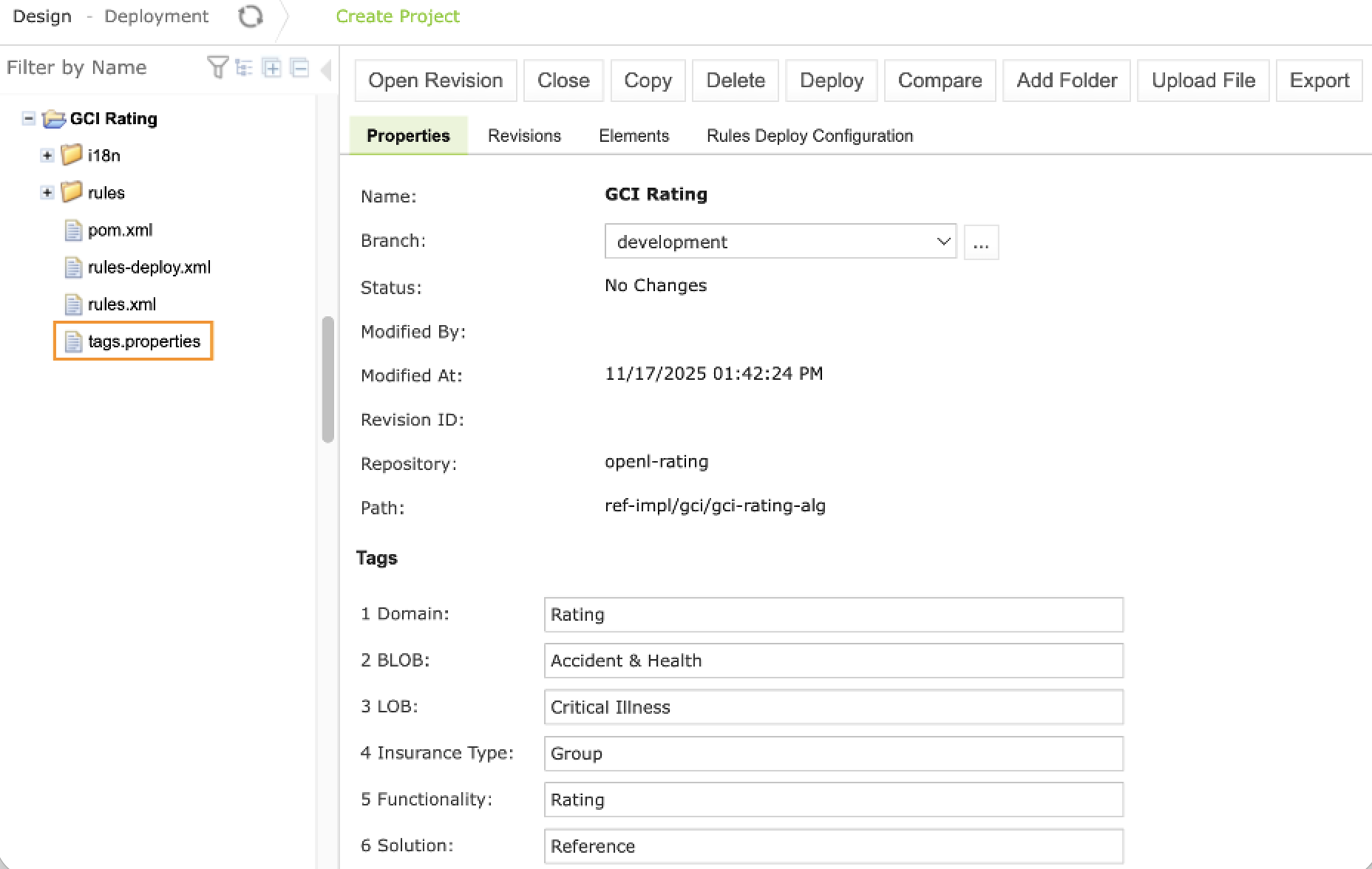
Project Tags in OpenL Studio
Project tags are now stored inside the OpenL project, improving portability and version control integration.
- Tags stored within OpenL project structure
- Tags are versioned in Git together with project content
- Tags travel with project when copied or deployed
- Tag changes tracked in Git commit history
Migration: Existing tags are automatically migrated and preserved in backups.
OpenAPI Documentation Integration In OpenL Rules
OpenL Rules now provides enhanced OpenAPI (Swagger) documentation generation with automatic extraction of rule and datatype descriptions.
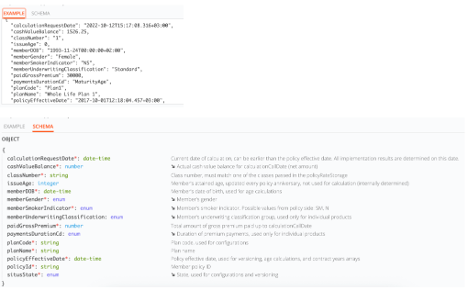
Datatype Field Documentation
Datatype tables support optional columns such as Description, Default, Example, Format, and Mandatory. These descriptions automatically appear in generated OpenAPI schemas.
Full backward compatibility with existing 2-3 column format.
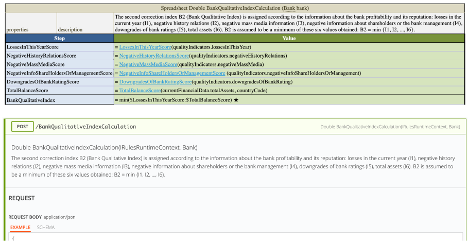
Method & Spreadsheet Documentation
- Parameter descriptions appear in API definitions
- Spreadsheet-level purpose descriptions supported
- Step-level descriptions improve calculation transparency
- Alias datatype descriptions supported
New Statistical Functions in OpenL Rules
OpenL Rules introduces a comprehensive set of built-in statistical functions for advanced analytics, all supporting multiple numeric types and null-safe execution:
- Standard Deviation: stdevP(), stdevS()
- Variance: varP(), varS()
- Correlation: correl(), rsq()
- Covariance: covarP(), covarS()
- Linear Regression: slope(), intercept(), forecast()
These functions enable advanced calculations for risk assessment, forecasting, and financial modeling.
Additional Features
Customizable User Data in Single User Mode
- Configure username, email, first name, last name, and display name
- Customized user information appears in Git commit history
Configuration properties:
security.single.username=john.smith
security.single.email=john.smith@company.com
security.single.first-name=John
security.single.last-name=Smith
security.single.display-name=John Smith
Automatic OpenL Project Recognition
Projects are automatically detected in Git repositories and added to OpenL Studio.
Personal Access Tokens for OpenL API Authentication
Introduced support for Personal Access Tokens (PATs) for API and service integrations.
Key characteristics:
- Available only when
user.mode=oauth2oruser.mode=saml - Tokens authenticate requests to OpenL REST APIs using a dedicated authorization header
- Tokens act on behalf of the user who created them and follow that user’s permissions
- Token secrets are shown only once at creation and cannot be recovered later
- Existing authentication mechanisms and Studio workflows remain unchanged
- No migration or configuration changes are required
API Scope
- New endpoints under
/rest/users/personal-access-tokens - Token-based access uses
Authorization: Token <PAT>(notBearer)
ProjectDescriptor Injection
- Ability to inject current ProjectDescriptor into service method handlers
- Enhanced customization capabilities for developers
Improvements
Demo Enhancements
- Replaced DEMO docker image with compose.yaml file
- Reduced the download size of the zip file
- Removed manual Java installation step
Security Hardening
- Removed VBScript execution under Windows
- Removed Userworkspace UI setting
- Improved Jackson serialization security (NAME vs CLASS)
- Password fields no longer returned by any API
- Sensitive configuration values protected in API responses
Bug Fixes
- Fixed GitLFS issues with BitBucket repositories
- Fixed tracing and dependency graph issues
- Fixed flat folder structure display issue
- Fixed deployment repository errors when base.path not specified
Breaking Changes
This section outlines critical changes that may break existing implementations and require migration action.
Jakarta EE 10 Migration (CRITICAL)
OpenL Tablets 6.0.0 migrates from Java EE (javax.*) to Jakarta EE 10 (jakarta.*).
All custom Java code and integrations must be updated accordingly.
What Changed
- All
javax.*package names changed tojakarta.* - Major framework upgrades:
- Spring Framework 6.2
- Spring Boot 3.4
- Spring Security 6.4
- Hibernate ORM 6.6
- Jetty 12
- OpenSAML 5.1
Impact
- All custom code using
javax.*packages will break - Custom servlets, filters, and web components require code changes
- Custom integrations with Spring, Hibernate, or JPA need updates
- Third-party libraries may need updates to Jakarta EE compatible versions
Who Is Affected
You are affected only if your OpenL projects include custom Java code, such as:
- Java code embedded or referenced in rules
- Custom servlets, filters, or web components
- Custom integrations using Spring, Hibernate, JPA, or similar frameworks
- Third-party Java libraries included in the OpenL projects
Migration Steps
If you are using OpenL Studio, Rule Services, or the demo version without any custom Java code, no action is required. Simply installing or upgrading to OpenL Tablets 6.0.0 does not require any Java installation, configuration, or environment changes.
The steps below apply only if your projects contain custom Java code or integrations.
Required changes for custom Java code
Update all Java imports by replacing javax.* packages with jakarta.*, for example:
javax.servlet→jakarta.servletjavax.persistence→jakarta.persistencejavax.validation→jakarta.validationjavax.xml.bind→jakarta.xml.bind
Also ensure that all third-party libraries used by your custom code are updated to versions compatible with Jakarta EE 10.
Java 21 Required
OpenL Tablets 6.0.0 requires Java 21. Java 8, 11, and 17 are no longer supported.
Requirements
- Minimum version: Java 21
- Recommended: Java 21 (Eclipse Temurin)
- Demo package: The system automatically detects the installed Java. If Java is not present or does not meet the minimum required version, OpenL Tablets downloads and uses its own Java for OpenL Tablets only. It does not replace or modify any existing Java installation.
Removed Embedded JDBC Drivers
OpenL Studio 6.0.0 no longer ships with embedded JDBC drivers for Oracle, SQL Server. Users must provide their own JDBC drivers.
Migration Steps
- Download the appropriate JDBC driver for your database
- Mount drivers to
/opt/openl/libfolder
Variations Functionality Removed
The variations functionality has been completely removed. Applications using variations must be refactored to use array-based rules.
What Changed
<isProvideVariations>configuration option removed- Automatic variation generation no longer available
- Variation endpoints no longer automatically created
- cacheable property removed
- recalculate property removed
- Migration: Remove from rules
Impact
- All services using variations will stop working
- Client applications calling variation endpoints will receive errors
- Manual rule creation required
Migration Steps
- (Optional) Remove
<isProvideVariations>true</isProvideVariations>from rules-deploy.xml - (Optional) Remove cacheable property and recalculate property from rules
- Create variations with the help of OpenL rules manually in your Excel/rules files
isProvideRuntimeContext Default Changed
The default value for isProvideRuntimeContext has changed from true to false.
What Changed
- Runtime context is no longer automatically provided to rules by default
- Rules expecting runtime context will receive null unless explicitly enabled
Impact
- Rules accessing runtime context properties (currentDate, requestId, etc.) will fail
- Services may return null pointer exceptions if rules expect context
Migration Steps
-
If your rules rely on runtime context and it is not explicitly defined in the datatype model or enabled via the “Provide runtime context” checkbox on the Rules Deploy Configuration tab, set
isProvideRuntimeContext=trueinrules-deploy.xml.
Jackson Serialization Security Change
Jackson deserialization default changed from CLASS-based to NAME-based type identification to fix security vulnerability.
What Changed
- ruleservice.jackson.jsonTypeInfoId changed from CLASS to NAME
- JSON type information format changed
- Fixes deserialization security vulnerability
Impact
- JSON responses will have different type information format
- Clients expecting CLASS-based types must be updated
- Stored JSON data with CLASS types may need migration
Migration Steps
- Update client applications to handle NAME-based type information
- Test JSON serialization/deserialization thoroughly
-
If you must use CLASS format (not recommended), set
ruleservice.jackson.jsonTypeInfoId=CLASS
OAuth2 Configuration Changes
OAuth2 username mapping has changed from preferred_name claim to sub claim by default in OpenL Studio 6.0.0.
What Changed
- User identifier now uses sub claim instead of preferred_name
- Display name still used as hint for logged-in user
- Reason: preferred_name cannot be part of access token by specification
Impact
- OAuth2 login may fail with default configuration
- User IDs may change after upgrade. It may impact user access to the resources.
Migration Steps
- Verify OAuth2 configuration uses sub claim
- Test OAuth2 login flow
- Update user mappings if user IDs have changed
- If you must use old previous behavior, set
security.oauth2.attribute.username=preferred_name
Removed Features Summary
The following features, protocols, and APIs have been completely removed from OpenL Tablets 6.0.0:
Removed Protocols & Integration Methods
- RMI Protocol Support
- Migration: Use REST protocol
- CAS SSO Support
- Migration: Use OAuth2 or SAML authentication
Removed Database Support
- Apache Hive
- Migration: Use
org.openl.rules.ruleservice.ws.storelogdata.db
- Migration: Use
- Apache Cassandra
- Migration: Use PostgreSQL, MySQL, or other supported databases
Removed Libraries & Extensions
- Activity Extension
- Migration: Implement custom solution if needed
- Spreadsheet Result Calculation Step Library
- Migration: Use SpreadsheetResult directly without meta-structure conversion
Removed APIs
- /rest/repo/* REST API endpoints
- Migration: Use new repository management APIs
- DoubleRange deprecated methods:
- BoundType enum
- setLowerBound(), setUpperBound()
- setLowerBoundType(), getLowerBoundType()
- setUpperBoundType(), getUpperBoundType()
- StringRange.getLowerBoundType(), getUpperBoundType()
- Migration: Update code to use alternative APIs
Removed UI Features
- Install Wizard
- Migration: Use configuration files directly
- Java Preference Configuration
- Migration: Use system properties or environment variables
- Userworkspace Setting from UI
- Migration: Configure via environment variables only
Library Updates
Runtime Dependencies
| Library | Version |
|---|---|
| Spring Framework | 6.2.16 (from 5.x) |
| Spring Boot | 3.5.11 (from 2.x) |
| Spring Integration | 6.5.7 (from 5.x) |
| Spring Security | 6.5.8 (from 5.x) |
| Spring AI | 1.1.2 (New) |
| Hibernate ORM | 6.6.43.Final (from 5.x) |
| Hibernate Validator | 8.0.3.Final (from 6.x) |
| Jetty | 12.1.6 (from 10.x) |
| OpenSAML | 5.2.0 (from 4.x) |
| Nimbus JOSE + JWT | 10.8 |
| ASM | 9.9.1 |
| Byte Buddy | 1.18.5 |
| Kafka Clients | 4.2.0 |
| OpenTelemetry | 2.25.0 |
| Jackson | 2.21.1 |
| CXF | 4.1.5 (from 3.x) |
| gRPC | 1.79.0 |
| Swagger Core | 2.2.43 |
| Swagger Parser | 2.1.38 |
| Log4j | 2.25.3 |
| Maven API | 3.9.12 |
| Amazon AwsSDK | 2.41.34 |
| Azure Blob Storage SDK | 12.33.2 |
| Netty | 4.2.10.Final |
| JGit | 7.3.0.202506031305-openl (from 6.x) |
| Jakarta Annotation API | 3.0.0 (from 1.x) |
| Jakarta Activation | 2.1.5 (from 1.x) |
| Jakarta Servlet API | 6.0.0 (from 3.x) |
| Jakarta WS RS API | 4.0.0 (from 2.x) |
| Jakarta XML Bind | 4.0.5 (from 2.x) |
| Jaxb Runtime | 4.0.5 (from 2.x) |
| Jakarta XML WS API | 4.0.2 (from 2.x) |
| Jakarta Mail | 2.1.5 |
| Angus Mail | 2.0.5 |
| Commons Codec | 1.21.0 |
| Groovy | 4.0.30 |
| AspectJ | 1.9.25.1 |
| XMLSecurity | 4.0.4 (from 2.x) |
| JCodeModel | 4.1.0 (from 3.x) |
| Commons JXPath | deleted |
| DataStax Java Driver | deleted |
| Hive JDBC | deleted |
| Activiti Engine | deleted |
| Hessian | deleted |
| MSSQL Driver | moved to the test dependencies |
| Oracle OJDBC6 | moved to the test dependencies |
Test Dependencies
| Library | Version |
|---|---|
| JUnit | 6.0.3 |
| Testcontainers | 2.0.3 |
| Testcontainers Keycloak | 4.1.1 |
| Oracle OJDBC11 | 23.26.1.0.0 |
| PostgreSQL Driver | 42.7.10 |
| MariaDB Driver | 2.7.13 |
| MSSQL Driver | 13.2.1.jre11 |
| GreenMail | 2.0.5 |